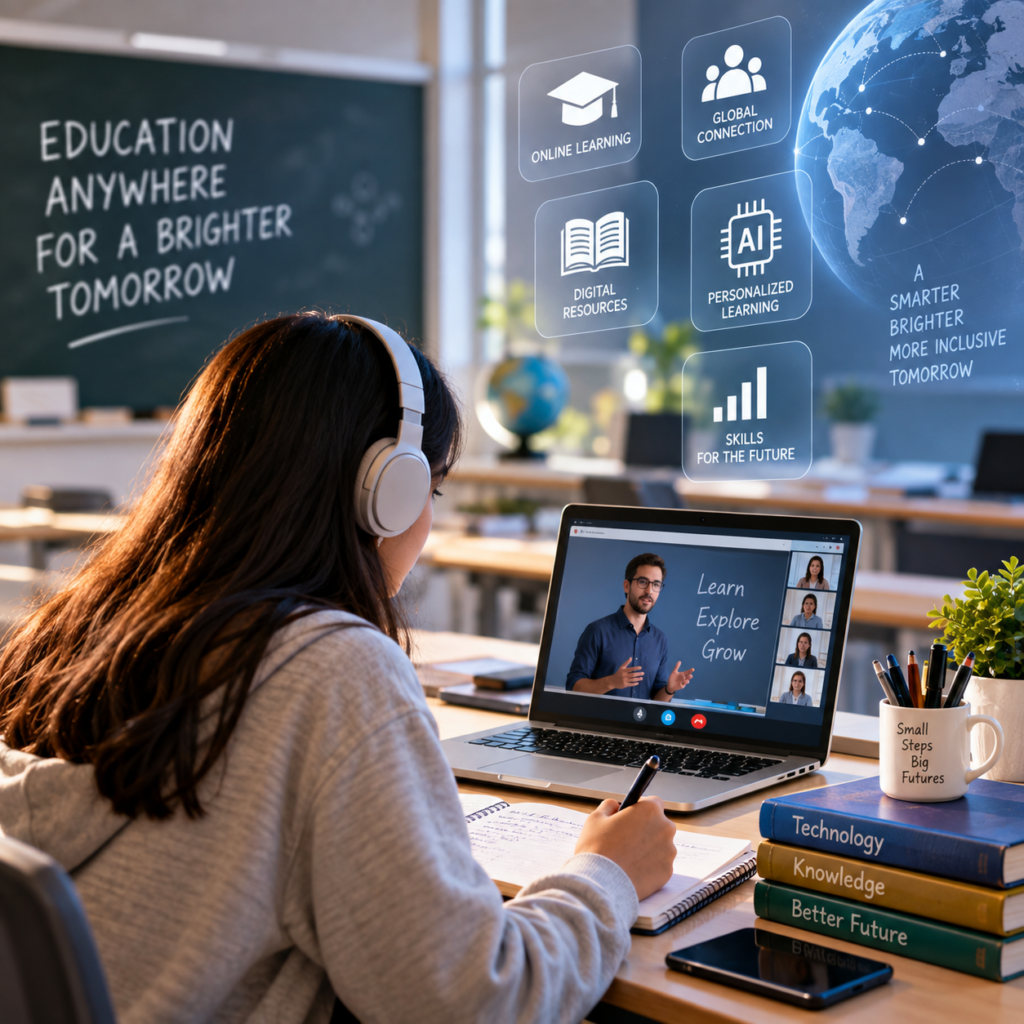
Education has always been an important part of human development. For centuries, students have learned through books, teachers, classrooms, discussions, and practical experiences. However, the way people learn is changing rapidly because of technology. Computers, smartphones, tablets, online learning platforms, artificial intelligence, virtual classrooms, and digital resources have transformed traditional education.
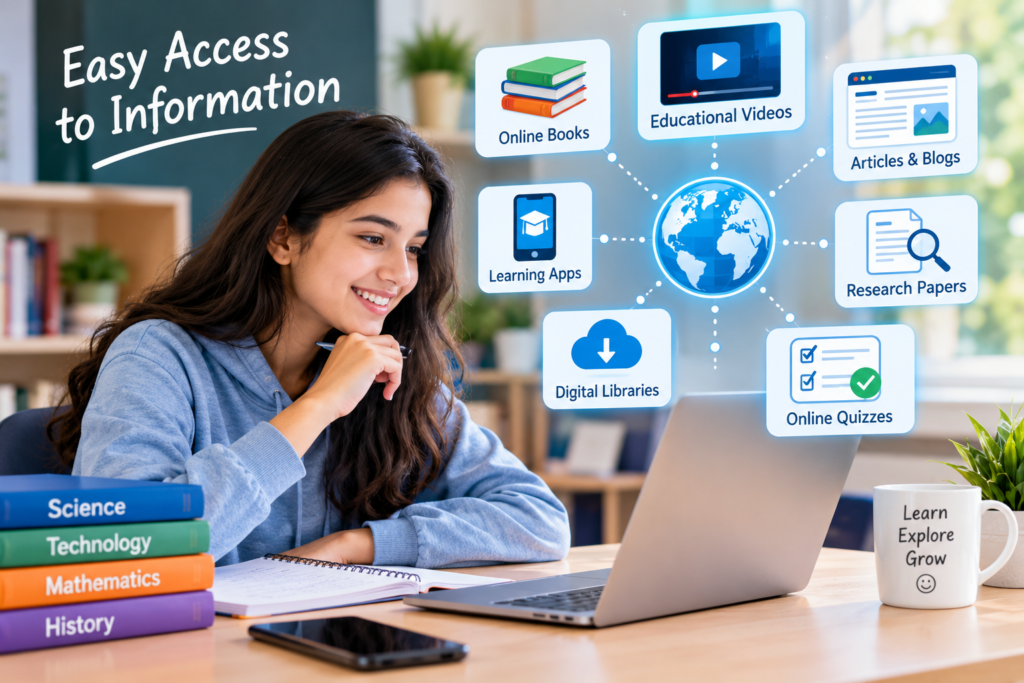
One of the biggest ways technology has changed education is by making information easier to access. Students no longer have to depend entirely on physical textbooks or classroom notes. With an internet-connected device, they can find educational articles, videos, digital books, research papers, tutorials, and other learning materials.
For example, a student studying astronomy can watch a video about the solar system, explore an interactive model of the planets, read articles from educational websites, and take online quizzes to test their knowledge. This gives students several different ways to understand the same subject.
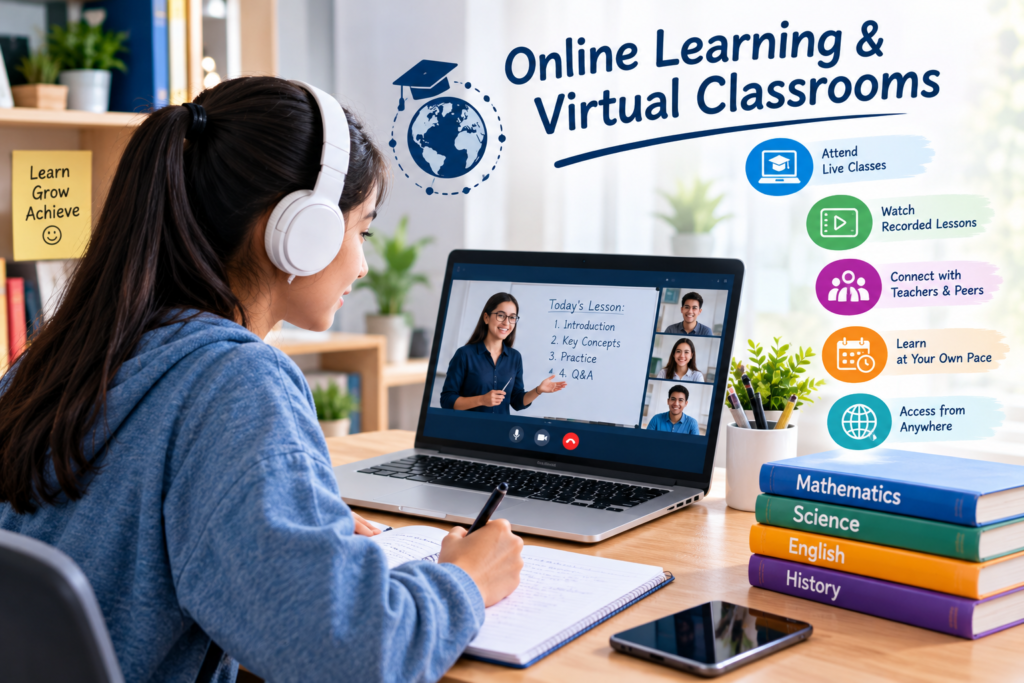
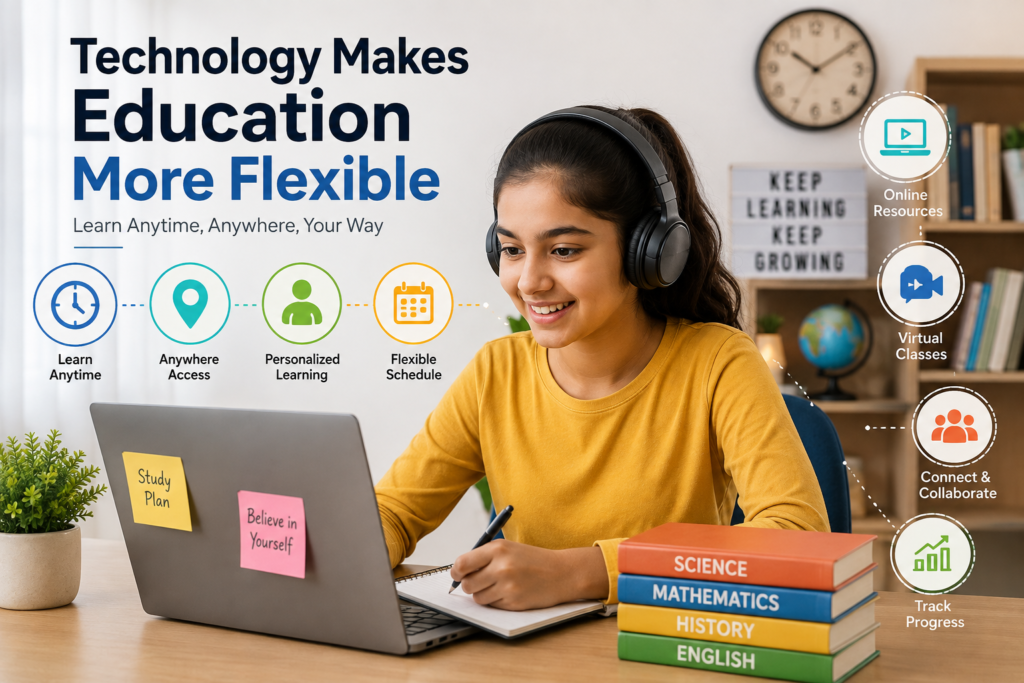
Online learning also provides flexibility. Students can often review recorded lessons, pause educational videos, repeat difficult sections, and study according to their own schedules. This can be particularly helpful for students who need additional time to understand certain concepts.
At the same time, online education requires discipline. Without the structure of a physical classroom, some students may struggle to maintain concentration or complete assignments on time. Successful online learning therefore requires good time management, motivation, and regular communication.
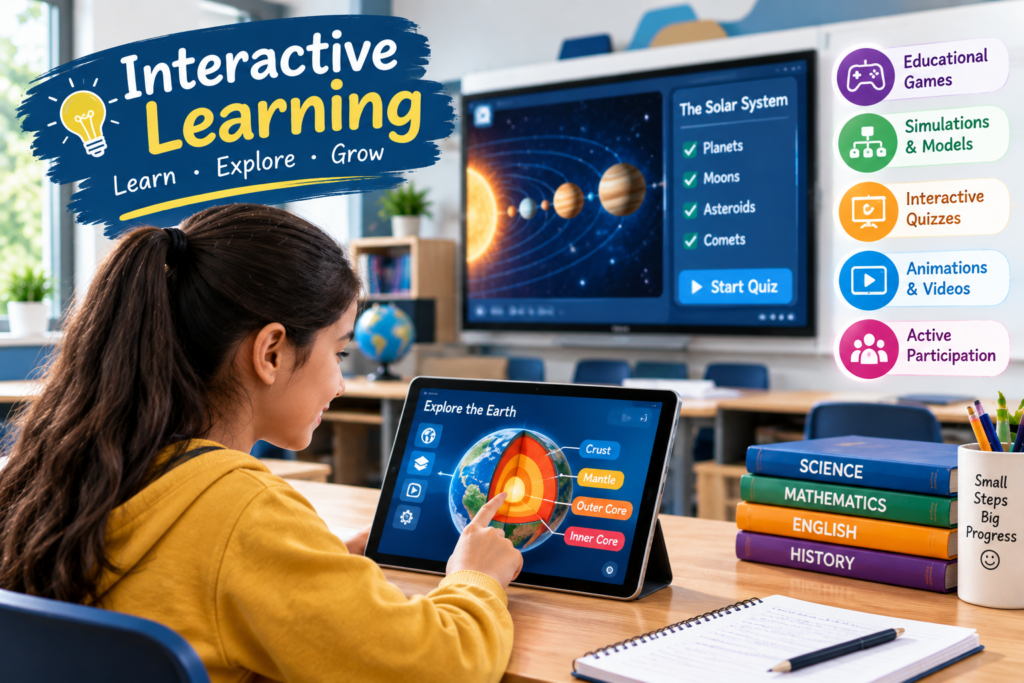
Traditional lessons sometimes depend heavily on lectures and reading. Technology allows teachers to make lessons more interactive.
Educational games, simulations, animations, quizzes, digital presentations, and interactive exercises can help students participate actively in the learning process. Instead of simply listening to information, students can experiment, answer questions, solve problems, and receive immediate feedback.
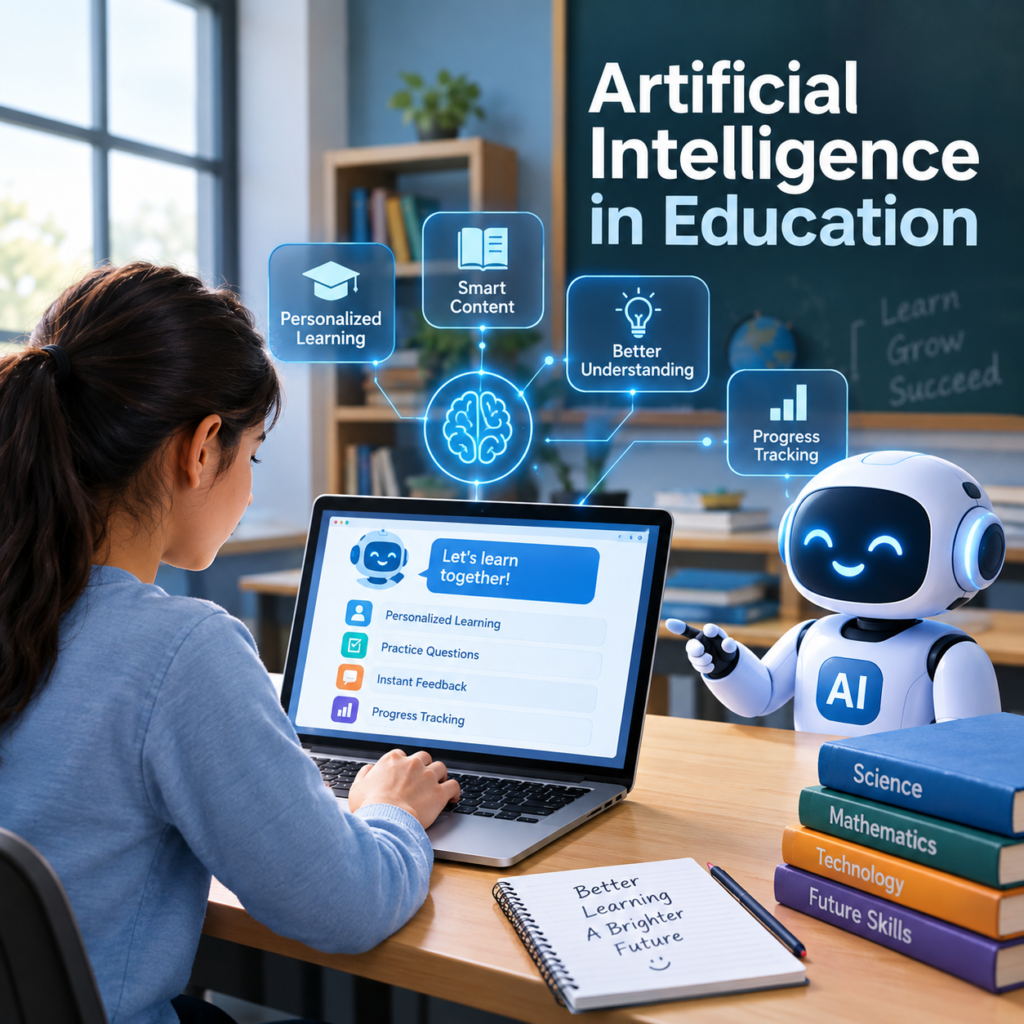
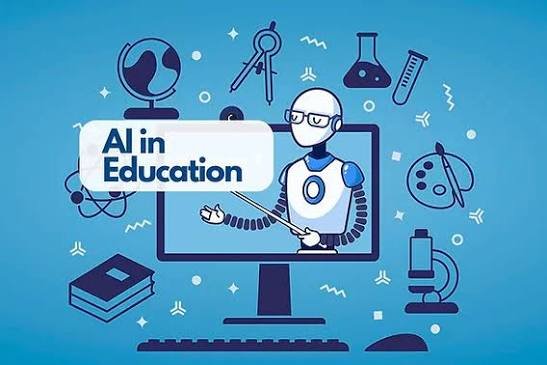
Artificial intelligence is becoming one of the most discussed technologies in education. AI can help students and teachers in many different ways.
Students can use AI-based tools to brainstorm ideas, receive explanations, practice languages, generate questions, and review concepts. Teachers can use AI to assist with lesson planning, create educational activities, organize information, and develop practice materials.
AI can also provide personalized support. For example, a student struggling with mathematics may request an explanation of a particular problem and receive a step-by-step description.
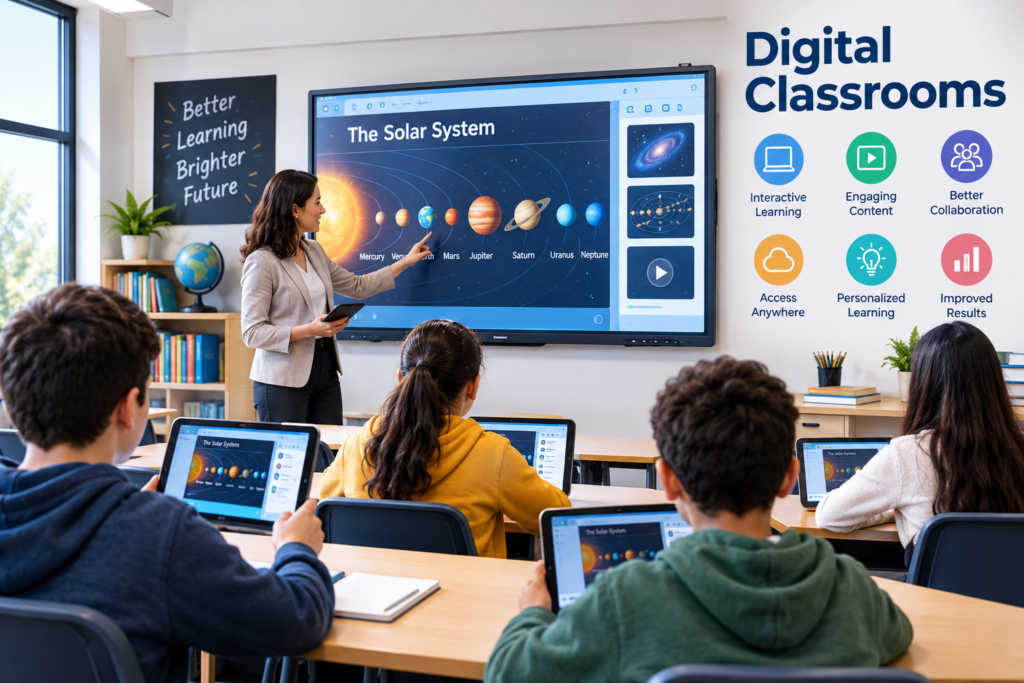
Digital classrooms have changed the traditional classroom environment. Teachers can use projectors, interactive displays, tablets, computers, and online resources to make lessons more engaging.
A digital classroom can combine text, images, videos, audio, animations, and interactive exercises. This can be particularly helpful when teaching complicated subjects.
Technology has also changed communication within education.
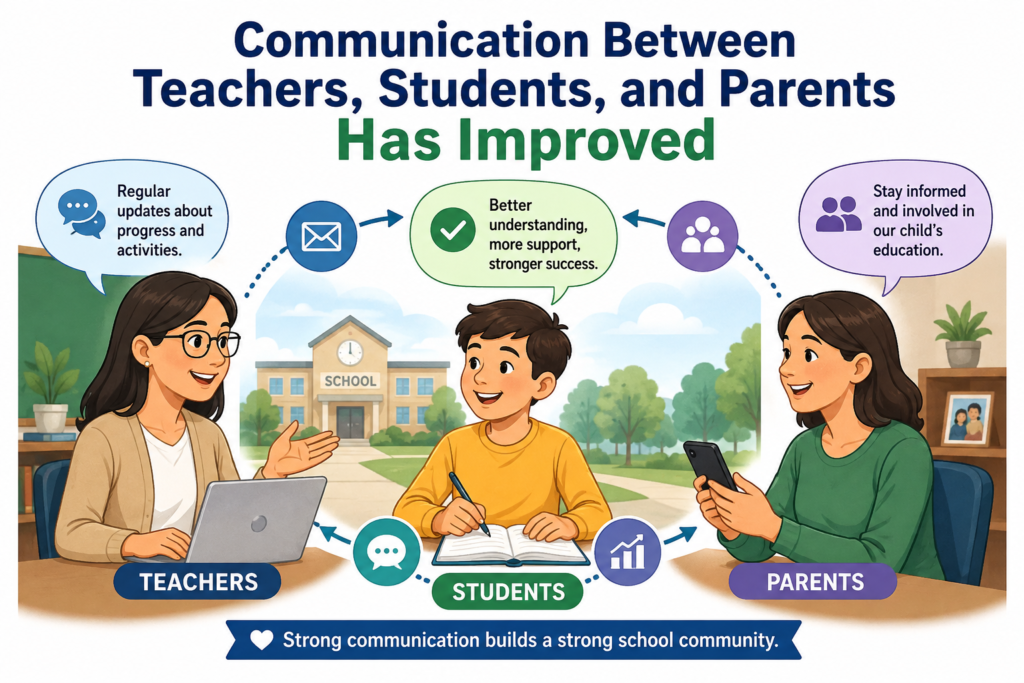
Teachers can communicate with students through email, educational platforms, messaging systems, and virtual meetings. Assignments, announcements, study materials, and feedback can be shared digitally.
Parents can also receive updates about academic performance, attendance, assignments, and school activities through digital platforms.
This improved communication can help create stronger connections between students, teachers, and families. Problems can sometimes be identified earlier because information can be shared more quickly.
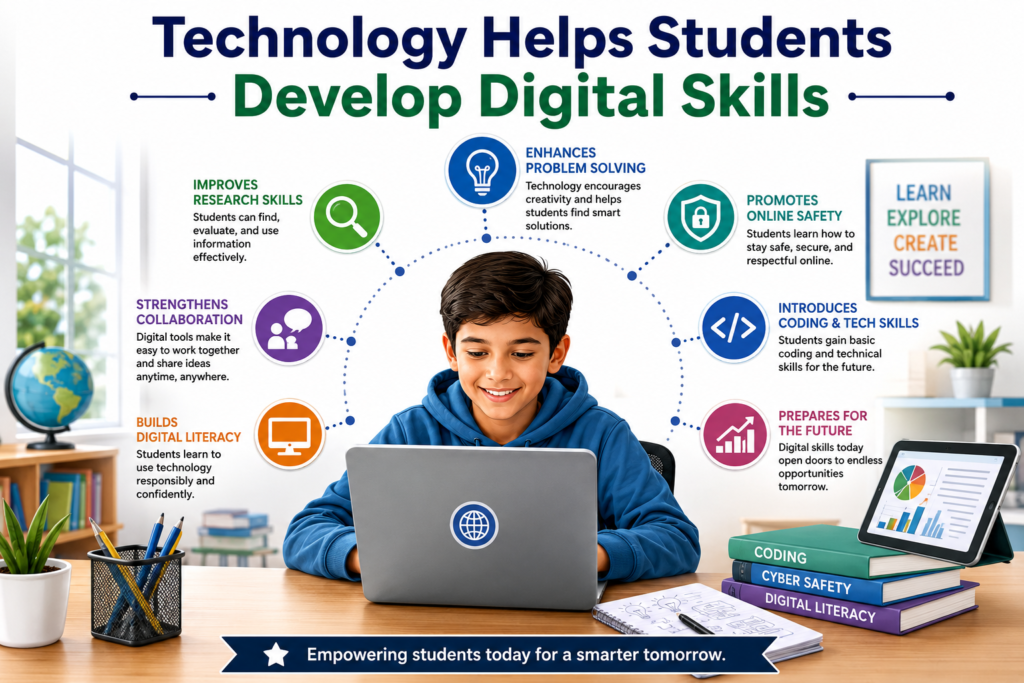
Digital skills are becoming increasingly important in modern workplaces. Students who grow up using educational technology can develop familiarity with computers, digital communication, online research, collaboration tools, presentations, and other technologies.
Traditional education often follows a fixed schedule. Students attend classes at particular times and complete work according to predetermined deadlines.
This flexibility can benefit students with different schedules and learning needs. It can also help people continue learning throughout their lives.
Education is increasingly becoming something people can pursue at any stage of life rather than something limited to childhood and early adulthood.
Artificial intelligence, commonly known as AI, is becoming increasingly important in education. AI-powered tools can help students understand concepts, generate practice questions, explain difficult topics, and provide personalized learning assistance.
One important benefit of AI is personalization. Every student learns differently. Some students understand concepts quickly, while others need additional examples and explanations. AI-based educational systems can potentially adapt learning materials according to individual needs.
Teachers can also benefit from AI. Certain tools can assist with creating lesson plans, organizing educational materials, generating practice activities, and analyzing student performance.
Technology will likely continue to influence education in the coming years. Artificial intelligence, virtual reality, online learning, automation, and interactive educational platforms may become increasingly common.
Students may receive more personalized learning experiences. Teachers may have access to better tools for understanding student progress. Schools may use digital systems to make administration more efficient. Technology should serve education rather than control it.